Why You Should Always Have a Backup Wine Cellar Unit and Wine Fridge Heading Into Summer
Share
Summer is great for a lot of things. Wine storage is not one of them.
If you've got a serious cellar — or even just a dedicated wine fridge in your kitchen — the summer months are when things get stressful. Ambient temperatures climb, your HVAC is working overtime, and the last thing you want is to walk downstairs one July afternoon and realize your cooling unit has given up the ghost. Because here's the thing nobody talks about enough: equipment fails, and it almost never fails at a convenient time.
This is why I'm a firm believer in keeping a spare unit on hand before summer hits. Not after. Before.
The Summer Heat Is No Joke for Wine Storage
Wine doesn't care that it's your birthday weekend or that you've got a dinner party on Saturday. Once temperatures inside a cellar creep above 70°F — and especially if they spike into the 75–80°F range — you're looking at accelerated aging, compromised corks, and in a worst-case scenario, cooked wine. A collection that took years to build can take real damage in just a few days of improper storage.
And summer is exactly when your cooling equipment is under the most stress. It's running harder, longer, and against higher ambient temperatures than any other time of year. That's when motors wear out. That's when compressors give up. That's when you find yourself scrambling.
Why Breezaire Should Be on Your Radar
When it comes to dedicated wine cellar cooling units, Breezaire consistently comes up at the top of the list — and for good reason. Their units are built specifically for wine cellars, not retrofitted from commercial refrigeration. They run quietly, they're energy efficient, and they're designed to hold tight temperature and humidity ranges, which matters a lot more than people realize. Humidity that's too low dries out corks. Too high and you're dealing with mold. BreeZaire units manage both.
They also have a solid range of units that cover everything from a small 500-cubic-foot cellar all the way up to large custom builds. If you've been running an older unit or something that wasn't purpose-built for wine, upgrading to a Breezaire before summer is one of the smarter moves you can make for your collection.
But here's my real advice: if you have a Breezaire running in your cellar, keep a backup unit on the shelf. Or at minimum, know exactly where you're getting one and how fast you can get it installed if yours goes down.
Don't Overlook the Wine Fridge Situation Either
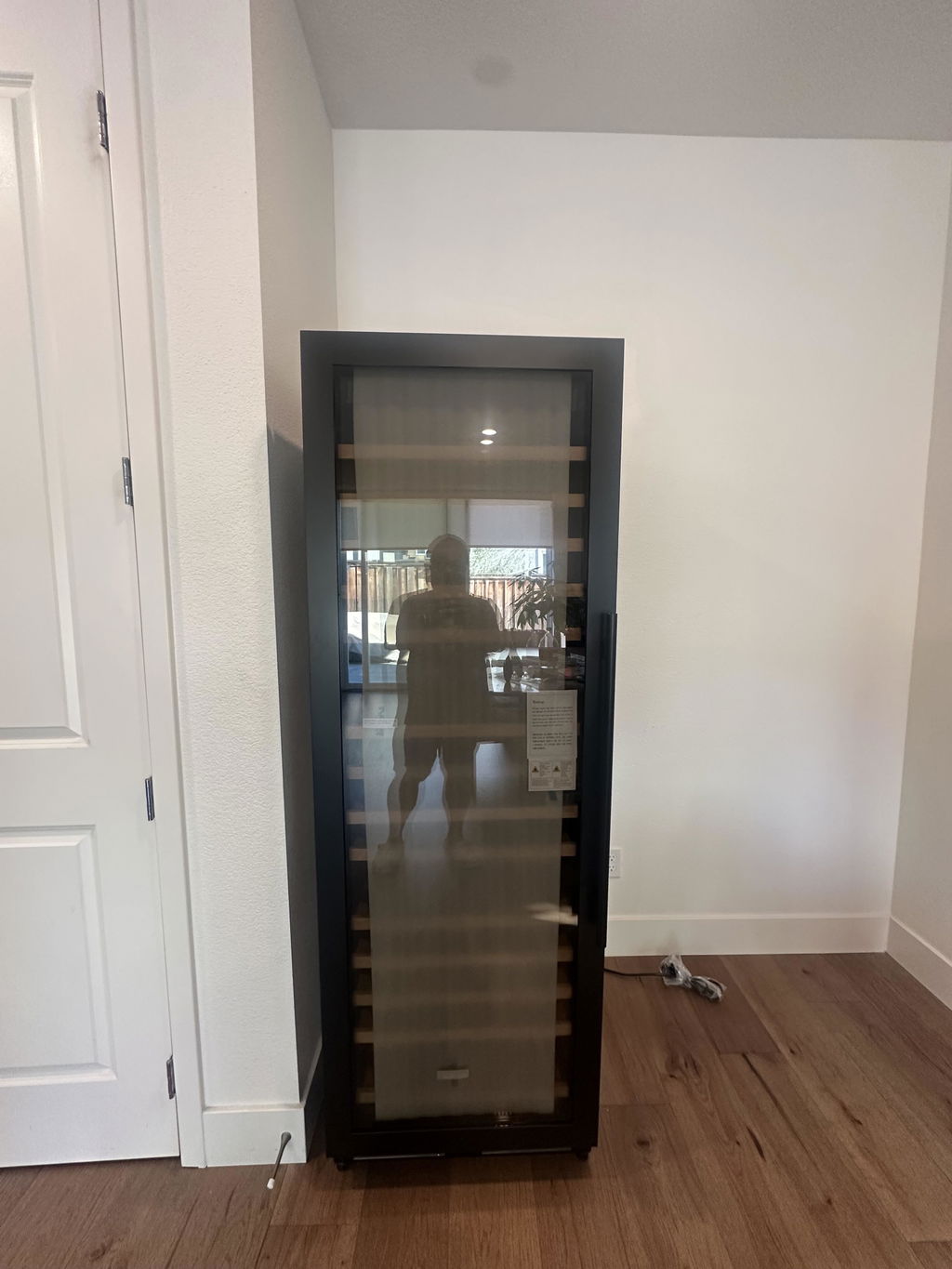
Wine cellars get most of the attention, but wine fridges are just as vulnerable — and in some ways more so, because people tend to treat them as appliances that just run forever without much thought.
A wine fridge in your kitchen, dining room, or bar setup is working against room temperature all summer. The compressor is cycling constantly. If it's a few years old, summer is when it's most likely to fail. And unlike a full cellar where you might have some thermal mass buying you a little time, a wine fridge that stops cooling can get warm fast.
Keep a backup wine fridge. I know it sounds like overkill, but if you're storing bottles you actually care about — bottles you've been aging, bottles that were gifts, bottles for a special occasion — a $300–$600 spare fridge sitting in your garage is cheap insurance. When your main unit dies (and eventually, it will), you transfer your bottles, plug in the backup, and you don't lose anything.
This is especially true for restaurants, bars, and tasting rooms. If your by-the-glass program depends on a wine fridge and that fridge goes down on a Friday night in August, you have a real operational problem. A spare unit in the back is just part of running a smart operation.
The Mindset Shift: Treat It Like Any Other Critical Equipment
Think about how restaurants treat their POS systems or how serious home cooks think about their range. Critical equipment gets a backup plan. Your wine storage should be no different.
The cost of replacing a few dozen bottles — or even just one special bottle you can't get back — almost always exceeds the cost of a spare unit. Add in the stress, the scramble to find a repair tech in the middle of summer (good luck with lead times), and the risk of your cellar sitting at unsafe temps while you wait, and the math gets even clearer.
Stock up before summer. Get your Breezaire unit serviced or replaced now, while lead times are shorter and installers aren't booked out three weeks. And keep a backup wine fridge somewhere accessible.
Your future self — standing in a cool, perfectly humidified cellar in August — will thank you.
Ready to get set up before the heat hits? Browse our selection of Breezaire cooling units and wine fridges, or reach out and we'll help you figure out exactly what you need for your space.