Why a Backup Wine Cooler Is Worth It Once Summer Hits
Share
Every July, we hear from the same group of customers: their main wine cooler is suddenly running warmer, working louder, or shutting off overnight. Nine times out of ten, it's not a broken unit. It's a house that's fighting a heat wave, an HVAC system stretched thin, and a wine cooler doing double duty it was never really sized for.
This is the season a second unit stops being a luxury and starts looking like common sense.
Summer Doesn't Just Heat Your House — It Overworks Your Cooler
A wine cooler doesn't operate in a vacuum. It's pulling heat out of a cabinet or room that's already fighting to stay cool, which means every degree your kitchen or garage climbs, your cooler has to work that much harder to hold 55°F inside.
A few things tend to happen at once during a heat wave:
- Ambient temperatures spike in garages, sunrooms, and any space without dedicated climate control — often 10-15°F hotter indoors than what you'd guess just by feel
- Compressors run longer cycles, which shortens their lifespan over time
- Single-zone units get pushed past their comfort range, especially older models not rated for high-heat environments
- Bottle count creeps up as summer entertaining ramps up, packing more inventory into a unit that's already working overtime
None of this means your cooler is failing. It means it's being asked to do more than one appliance was ever meant to handle.
Why a Second Unit Solves More Than Just Overflow
The obvious reason people add a second wine cooler is capacity — more bottles than one unit can hold. But the summer-specific reasons are just as real:
Redundancy. If your primary cooler runs into trouble mid-heat-wave (a power blip, a compressor strain, a service issue), a second unit means your collection isn't sitting exposed while you wait on repairs or replacement parts.
Zone separation. Reds and whites want different serving temperatures, and a dedicated second unit lets you actually hit both ranges instead of splitting the difference in one cooler.
Load distribution. Splitting your collection across two smaller units, rather than cramming everything into one, means neither compressor is straining as hard, and neither space is as vulnerable if ambient temps spike.
Location flexibility. A compact secondary unit can live somewhere your primary cooler can't — a garage bar setup, an outdoor kitchen, a home office — so you're not funneling every bottle through one bottleneck.
What to Look for in a Summer-Ready Second Unit
Not every wine cooler is built to handle a hot garage or an uninsulated bonus room. If you're shopping for a second unit specifically to get through summer heat, a few specs matter more than usual:
High-heat tolerance. Look for units rated to perform in ambient temperatures up to 90-95°F if it's going somewhere without climate control. Standard models are often only rated to the mid-80s, which is exactly where a lot of garages and sunrooms land by mid-afternoon in July.
Compressor-based cooling, not thermoelectric. Thermoelectric units are quieter and more affordable, but they lose efficiency fast once room temperatures climb. Compressor-based coolers — like most of our Summit and Whynter lineups — hold steady performance even when the room around them isn't cooperating.
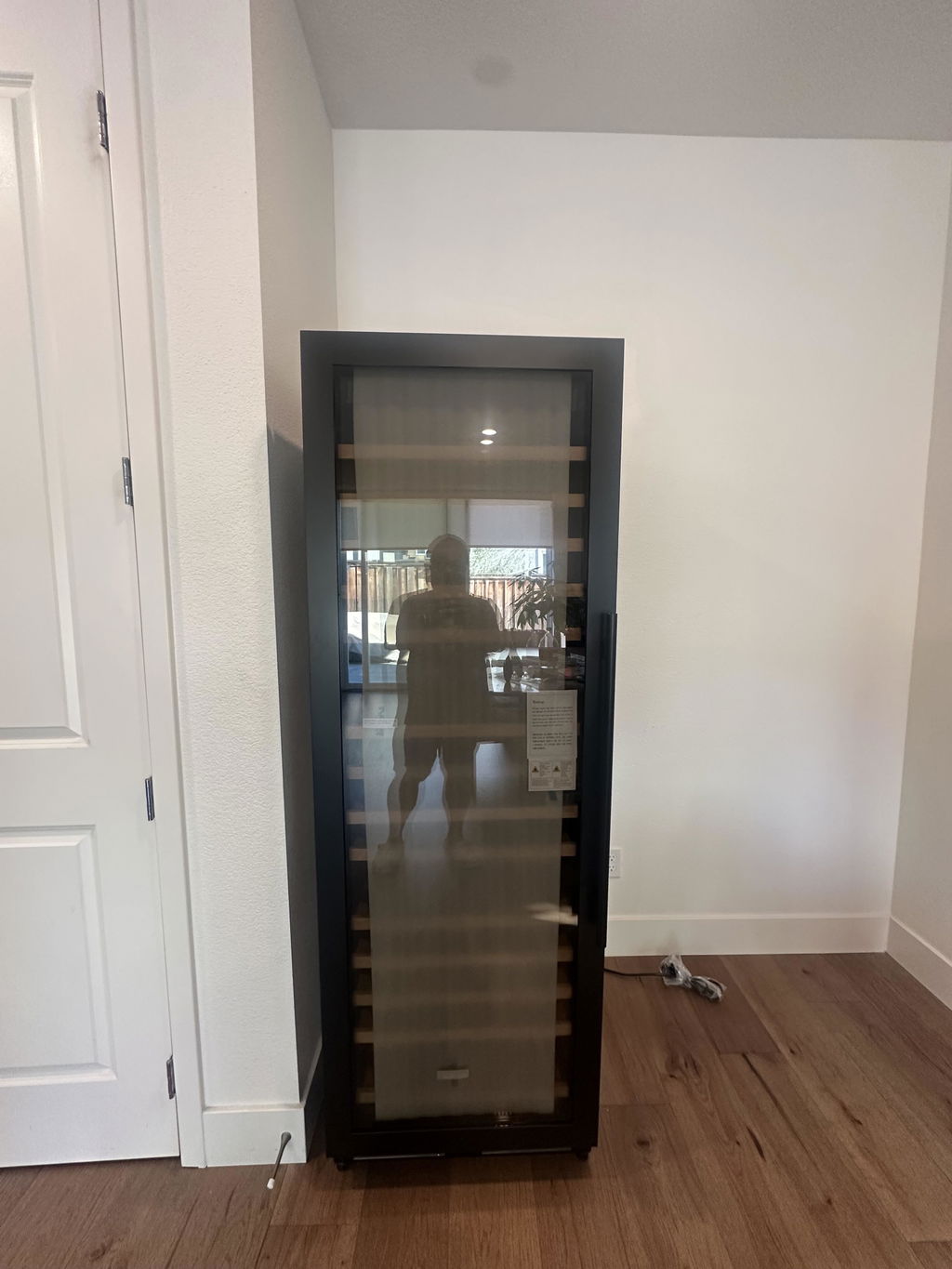
Compact or dual-zone options for tight spaces. If the second unit is going somewhere without much room to spare, a slim freestanding model or a smaller undercounter build gives you real capacity without needing a full renovation to fit it.
UV-protected glass, if it's going anywhere near a window or direct light. Summer sun through a door panel can do as much damage as heat alone.
A Simple Way to Think About It
If your current cooler is holding steady, this isn't about replacing anything. It's about giving your collection — and your existing unit — some breathing room before the hottest stretch of the year puts both to the test.
A second, right-sized unit means your primary cooler isn't carrying the full load alone, your bottles have somewhere reliable to go if temperatures spike, and you're not scrambling for a same-week fix if something does go wrong in the middle of a heat wave.
Thinking about where a second unit would fit? Browse our Compact & Undercounter Wine Coolers built for tight spaces, or reach out to our team — tell us where it's going and what it'll hold, and we'll help you land on something that'll actually perform there.