#ComeOverOctober: The Fall Hosting Guide
Share
October is prime hosting season. Cooler weather, harvest produce, and new wine releases all land at the same time — which is exactly why the #ComeOverOctober trend is about more than a hashtag. It's a reminder that fall is the easiest, lowest-effort season to open your home to people, as long as a few basics are handled ahead of time. One of the biggest: serving wine at the right temperature.
What Is the Ideal Wine Storage Temperature?
Most wine should be stored between 45°F and 65°F, with serving temperature varying by type:
• Red wine: 60–68°F
• White wine: 45–50°F
• Sparkling wine: 40–45°F
• Rosé: 45–55°F
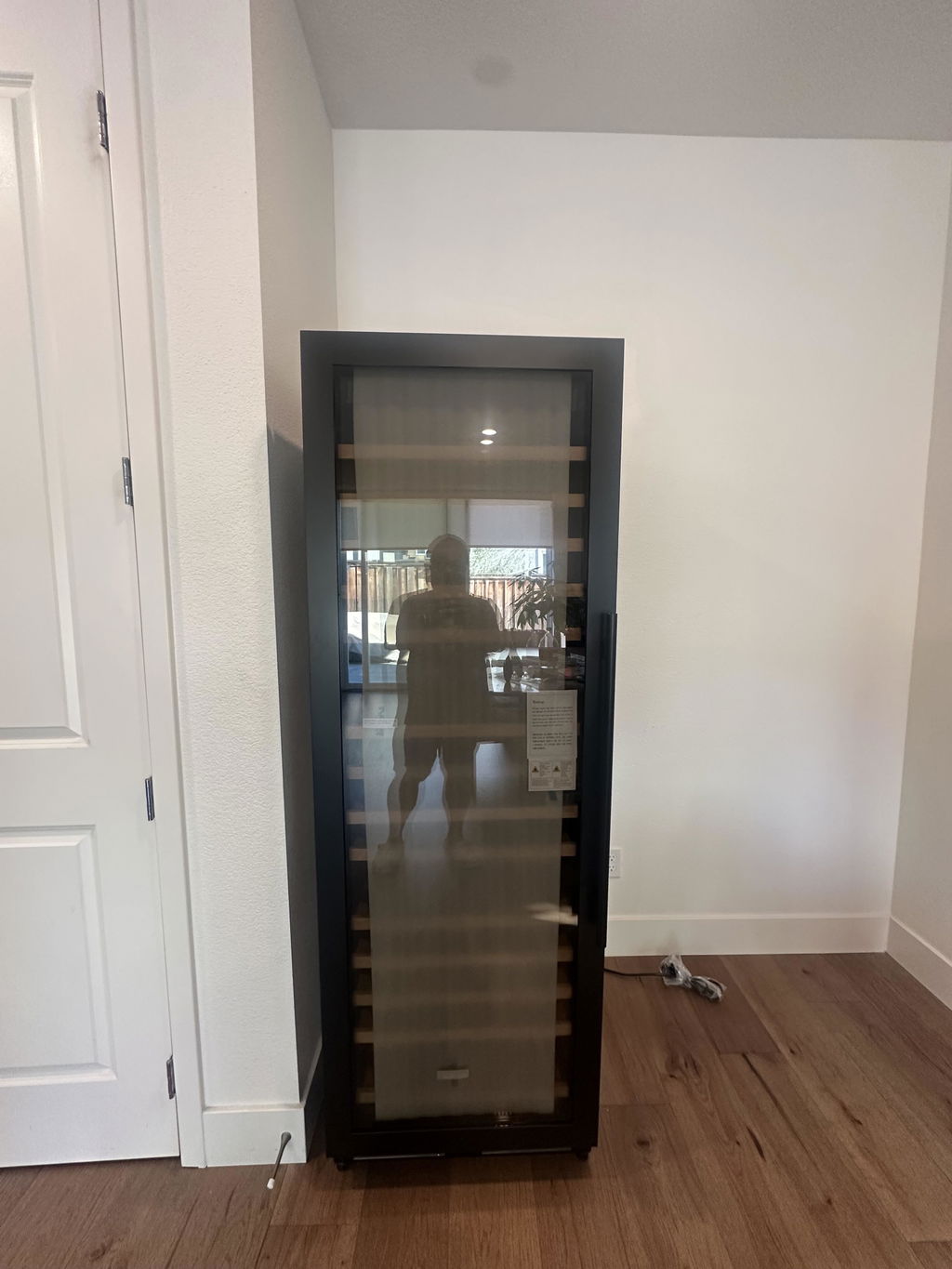
A standard kitchen fridge runs too cold (around 37°F) and a room-temperature counter often runs too warm, especially in a heated home during fall. This is the core problem a wine cooler for hosting solves: it holds each bottle at its correct temperature so it's pour-ready the moment guests arrive, without last-minute chilling or warming.
Why Fall Hosting Depends on the Right Wine Fridge
Harvest season means more dinners, more spontaneous invites, and more bottles moving through your home than any other time of year. A few scenarios where the best wine fridge for fall hosting earns its keep:
Multi-course harvest dinners. Reds and whites need different temperatures at the same meal. A dual zone wine cooler lets you store and serve both correctly at once, without swapping bottles in and out of the fridge.
Last-minute invites. When someone texts "can I come over tonight?", a stocked, properly chilled cooler means you're never scrambling.
Longer gatherings. Fall get-togethers tend to run long — cider, wine, conversation. Consistent cooler temperature means the wine tastes as good at hour three as it did when you poured it.
Building a fall collection. Harvest is when many new vintages release. Proper storage protects your investment as your collection grows.
How to Host a Wine Dinner at Home This Fall
1. Stock 2–3 reds and 1–2 whites ahead of time so you're never caught without options.
2. Store reds and whites in separate zones if your cooler supports it, so each stays at its correct serving temperature.
3. Pull sparkling wine last — it holds its chill for the shortest time once poured.
4. Pair by season, not just by dish — bolder reds with roasted, cinnamon-forward, or mushroom-heavy dishes tend to read as "fall" even with a simple menu.
5. Keep your cooler stocked, not just your pantry — most hosting stress comes from realizing the wine isn't ready, not the food.
Frequently Asked Questions
Do I need a wine cooler if I already have a fridge?
Yes, if you plan to host regularly. A standard refrigerator is too cold for wine and can dull flavor and aroma over time. A dedicated wine cooler maintains the 45–65°F range wine actually needs.
What's the difference between a single-zone and dual-zone wine cooler?
A single-zone cooler holds one consistent temperature, best for collectors who mainly store one type of wine. A dual-zone cooler has two separately controlled compartments, ideal for hosts who serve both reds and whites.
What temperature should red wine be served at for a dinner party?
Most reds are best served between 60–68°F — noticeably cooler than room temperature in a heated home, which is why a dedicated cooler helps during fall and winter hosting.
How many bottles does a wine cooler need to hold for hosting?
For regular fall hosting, a 20–40 bottle capacity cooler covers most households, allowing for a rotating stock of reds, whites, and something sparkling on hand.
Ready for #ComeOverOctober?
Hosting well this fall isn't about doing more — it's about having the right things already in place. A Grand Cru wine cooler means your collection is always at the right temperature, so when someone asks to come over, the answer is always yes.
Shop the fall lineup at grand-cru-winecoolers.com.
#ComeOverOctober #GrandCru #WineCooler #HarvestSeason #FallHosting