Built-In vs. Freestanding Wine Coolers: Which One Actually Fits Your Home?
Share
Here's a question we get almost daily at Grand Cru: "Should I get a built-in or a freestanding wine cooler?" And here's the honest answer — it depends less on which one is "better" and more on one specific thing most people forget to check before they buy: airflow.
Get that wrong, and even the most expensive wine cooler on the market will run hot, work overtime, and shorten the life of your compressor. Get it right, and either style will keep your collection exactlywhere it needs to be for years. Let's break down what actually separates these two, so you're not just guessing.
The Real Difference: It's Not Style, It's Ventilation
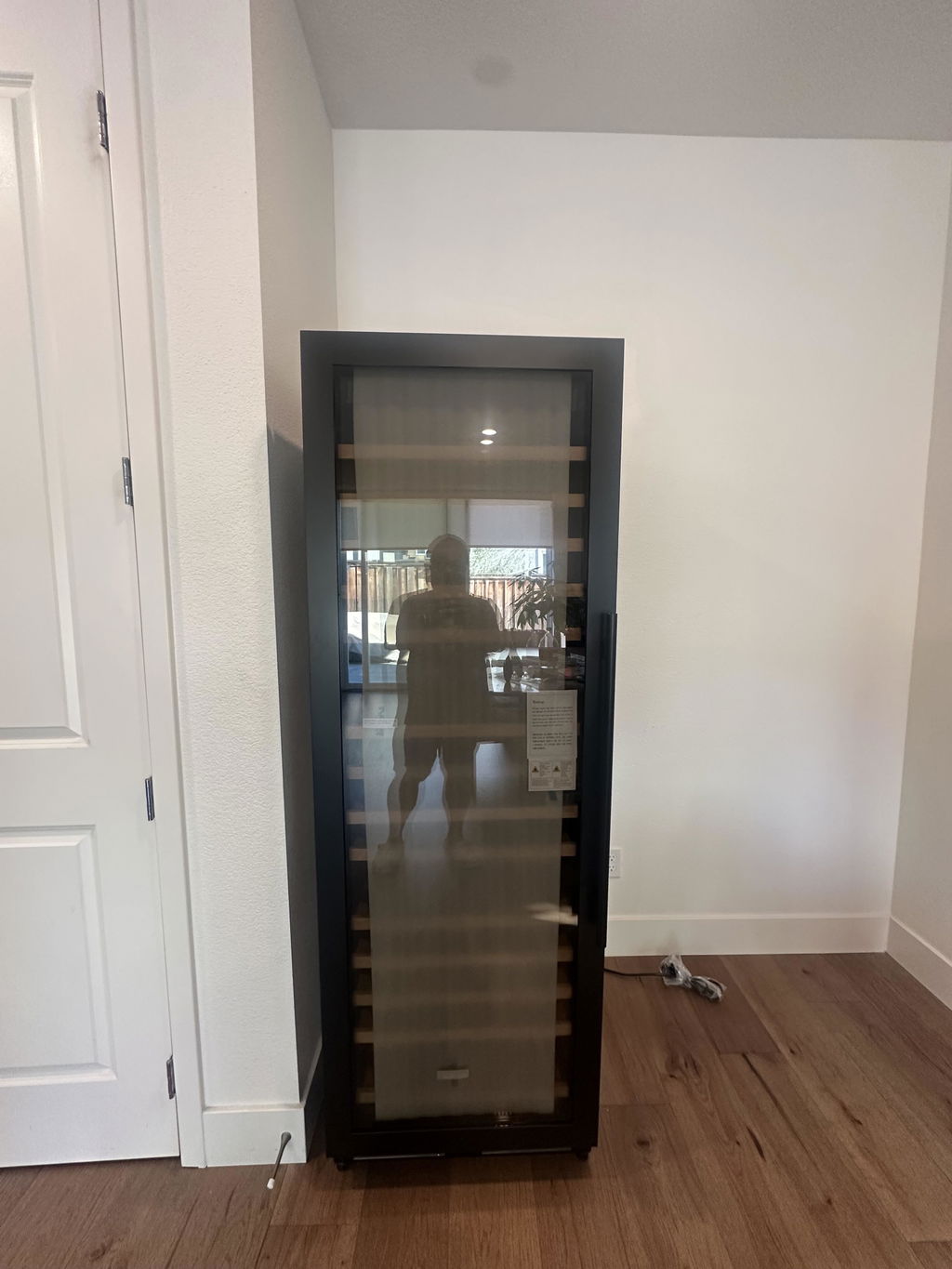
Both built-in and freestanding coolers can look nearly identical from the front. Same glass door, same digital panel, same rows of bottles glowing under LED shelf lighting. The difference that matters is hidden in the back and sides of the unit.
Built-in (or "undercounter") wine coolers are engineered to vent from the front. That's what lets them slide into a cabinet run, sit flush under a countertop, or get boxed in on three sides without overheating. If you've got a kitchen island, a wet bar, or a custom cabinetry package where the cooler needs to disappear into the design, this is the category built for that job.
Freestanding wine coolers need room to breathe from the top, back, or sides, depending on the model. Box one in on all sides and you're asking for a shortened lifespan and inconsistent temperatures. In exchange for that space requirement, freestanding units are more flexible about where they live — garage, basement, spare room, or wherever else your built-in situation can't reach.
If you only remember one thing from this whole post, make it this: check the manufacturer's ventilation spec before you fall in love with a floor plan.
When Built-In Is the Right Call
A built-in wine cooler makes the most sense when:
- You're renovating a kitchen and want the cooler to read as part of the cabinetry, not an appliance bolted on as an afterthought
- You have a fixed opening (say, in an island or bar wall) and no extra clearance to spare
- You want a panel-ready option to match your existing cabinet fronts
- The cooler is going somewhere it'll be seen constantly — entryway, dining room, open-concept living space
Brands like Liebherr, U-Line, and Kucht built their reputations on this category for a reason: the compressors and venting systems are specifically designed for tight, enclosed installs, so you're not fighting the appliance's own engineering.
When Freestanding Is the Right Call
A freestanding wine cooler is usually the better fit when:
- You want the option to move it later — new house, new room, rearranged kitchen
- You're outfitting a space that doesn't have built-in cabinetry at all, like a garage, man cave, or wine room
- You need serious bottle capacity and don't want to be boxed in by a fixed cabinet opening
- You're working with a smaller budget and don't want to pay for custom install-ready venting you won't use
This is where you'll find a lot of the higher-capacity options, including collections from Summit, Whynter, and Transtherm, some of which comfortably hold 150+ bottles for people who are serious about their cellar, not just their countertop display.
A Few Questions Worth Asking Before You Decide
Do I have a finished opening already, or am I designing around the cooler? If the opening exists, measure it precisely (width, depth, and height) and match it to a built-in spec. If you're starting from scratch, freestanding gives you more room to change your mind.
Will anything ever sit directly above or beside it? Cabinetry above a freestanding unit is one of the most common reasons we hear about coolers running warm. If there's any chance of enclosure, built-in is the safer long-term choice.
How many zones do I actually need? This matters more than the built-in/freestanding question itself for a lot of collectors. If you're storing both reds and whites at their proper serving temperatures, look at dual or multi-zone models regardless of which install style you choose.
Am I storing wine, or entertaining with it? If it's mostly about the "wow" factor when guests walk in, a built-in glass-door unit with UV-protected Low-E glass tends to win. If it's about protecting a growing collection long-term, capacity and vibration-dampening matter more than where it sits.
Our Take, From Years of Doing This
Most of the return calls and service questions we field aren't about the wine cooler itself. They're about a mismatch between the unit and the space it went into. Someone bought a beautiful built-in model and boxed it into a cabinet with no front vent clearance. Or they bought a compact freestanding cooler and immediately hemmed it in with shelving on both sides.
The cooler isn't the problem in either case. The fit is.
If you're not sure which category makes sense for your specific space, that's exactly the kind of thing our team sorts through with customers every day — send us your dimensions and we'll help you land on something that'll actually perform the way it's supposed to, not just look good on delivery day.
Ready to compare options? Browse our Built-In Wine Coolers or Freestanding Wine Coolers collections, or reach out to our team for a White Glove consultation if you want a second set of eyes before you buy.